Sew-on, iron-on, Velcro, and many other types of patch backing exist. But which patch backing is ideal for you? It all depends on your needs and how often you’ll use it. For regular, heavy-duty wear, sew-on and Velcro are the better options. For quick, limited-use, or budget-friendly patches, iron-on and adhesive work best.
Each type has its strengths, from durability and flexibility to ease of application and cost. Choosing the right backing ensures your patch stays put and looks great on your gear.
Let’s find out and understand which one is great for you.
Main Types of Patch Backing You Should Know
Patches attach to gear in different ways, and each method suits specific fabrics and uses. Choosing the right backing ensures your patches stay secure and look their best.
Sew-On Backing
Sew-on patches offer long-lasting durability and work on almost any fabric. They are perfect for jackets, bags, and high-wear areas, including football club patches and other team gear.
Pros:
- Extremely durable and long-lasting
- Works on almost any fabric
- Ideal for heavy-duty or high-wear items
Cons:
- Requires sewing skills
- Takes more time to attach
- Not ideal for quick or temporary use
Iron-On Backing
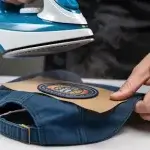
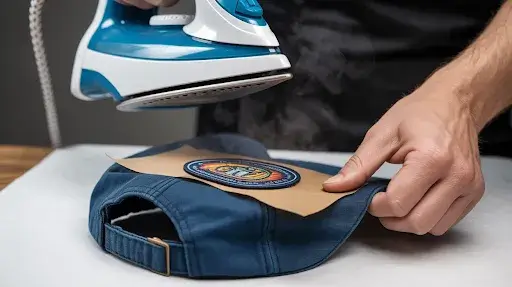
Iron-on patches stick quickly with heat and are great for lighter fabrics. They provide moderate durability, but repeated washing or high-heat ironing can weaken the bond.
Pros:
- Quick and easy to apply with heat
- Suitable for lightweight fabrics
- Moderate durability for everyday wear
Cons:
- Can weaken with repeated washing or ironing
- Not ideal for thick or textured fabrics
- Less secure than sew-on for high-stress areas
Velcro / Hook-and-Loop
Velcro backings allow easy removal and repositioning, ideal for uniforms, tactical gear, and interchangeable patches. They’re durable but require both hook and loop sides.
Pros:
- Easy to remove and reposition
- Perfect for uniforms or interchangeable patches
- Durable when both hook and loop sides are used
Cons:
- Requires two compatible surfaces (hook and loop)
- Bulkier than other options
- Less suitable for casual clothing
Adhesive / Peel-and-Stick
Temporary and low-cost, adhesive patches work on smooth surfaces for short-term use. They’re not suitable for heavy wear or fabrics that stretch.
Pros:
- Quick, low-cost solution
- Works on smooth surfaces
- Good for short-term or temporary use
Cons:
- Not suitable for heavy wear
- Can fail on textured or stretchy fabrics
- Less durable in washing or outdoor conditions
Alternative Options
Pins, magnets, and other niche backings suit unique applications. Pins, magnets, and other niche backings suit unique applications, like patches for communities or local groups.
Pros:
- Flexible placement and easy removal
- Magnets work on metal surfaces
- Pins can be used on almost any fabric
Cons:
- Pins can damage delicate fabrics
- Magnets only work with metal or require a metal plate
- Less permanent than sew-on or iron-on
How to Choose the Right Backing for Your Gear
The type of patch material makes a huge difference when picking patch backings. Matching the right backing to the fabric ensures durability and a clean finish.
| Fabric | Recommended Backing | Reason / Notes |
| Cotton | Sew-on, Iron-on | Cotton handles heat well and is easy to sew; iron-on sticks reliably. |
| Denim | Sew-on, Velcro | Thick and sturdy; sew-on provides durability, Velcro allows removability. |
| Leather | Sew-on, Adhesive | Iron-on can burn leather; sewing gives strength, strong adhesive works for smooth surfaces. |
| Polyester / Nylon | Iron-on, Adhesive | Lightweight synthetic fabrics bond well with heat or sticky backing; avoid heavy sew-on tension. |
| Silk / Delicate fabrics | Adhesive, Pins | Heat or heavy stitching can damage fabric; temporary adhesive or pins are safest. |
| Canvas / Heavy-duty fabric | Sew-on, Velcro | Thick fabric holds stitching and Velcro loops well for durable use. |
FAQs
Can I change backing types?
Yes, most patches can be swapped, but permanent sew-on patches require careful removal. Iron-on, adhesive, and Velcro patches are easier to change, though you should consider the fabric to avoid damage or marks.
What’s most durable?
Sew-on patches offer the highest durability, standing up to frequent washing and heavy wear. Velcro is also strong when properly attached, while iron-on and adhesive options tend to weaken over time.
What works on leather, denim, or nylon?
Leather handles sew-on or strong adhesive best, while denim is ideal for sew-on or Velcro patches. Nylon works well with iron-on or adhesive, though sewing is possible if done carefully to avoid puckering or tearing.
Hook Your Gear Up with the Right Patch from Eagle Patch UK
From strong, heat-activated iron-on backings to sleek, tightly woven sew-on patches, Eagle Patch UK can create patches with any backing type. Just share your design and preferred backing, and we’ll deliver it straight to your doorstep at discounted prices.