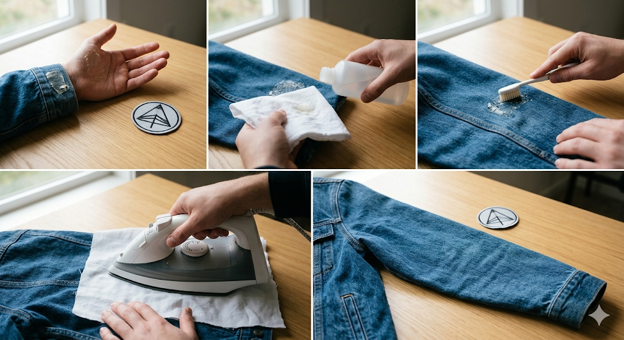
You finally peel off that old iron-on patch, and there it is. A sticky, shiny ghost of glue clinging to your favourite jacket like it has nowhere else to be. Whether it is residue left from a custom embroidered patch, an adhesive-backed morale patch, or an iron-on design that has seen better days, patch glue on fabric is one of the most frustrating clothing problems to deal with.
The good news? You do not need to bin the garment or spend money at a dry cleaner. With the right technique matched to the right fabric, you can remove patch glue cleanly and safely, every time.
This guide walks you through every proven method for removing patch glue from fabric, from heat-based approaches to natural household solutions, with specific advice for different fabric types so you never risk damage.
Why Patch Glue Is So Stubborn
Most iron-on patches use a heat-activated adhesive, usually a thermoplastic material such as ethylene vinyl acetate (EVA) or polyurethane. When heat is applied during the patch application process, these materials melt and fuse with the fabric fibres, creating a bond that is designed to withstand washing, stretching, and daily wear.
When you try to remove the embroidered patch, the glue does not always come with it. Instead, it bonds even more tightly to the fibres, leaving behind a tacky, sometimes discoloured residue. The older the patch, the harder the glue tends to be to shift, particularly on porous or woven fabrics like cotton and denim.
The key to successful removal is understanding two things: the type of glue involved and the type of fabric you are working with. Get those two right, and you are halfway done.
Before You Start: Important Preparation Steps
Before you try any removal method, take two minutes to do this properly. Skipping preparation is the most common reason people accidentally damage their garments.
- Check the fabric care label. Look for heat tolerance, washing instructions, and any warnings about solvents or chemicals.
- Identify the fabric type. Cotton, polyester, denim, silk, and synthetic blends all behave differently under heat and chemicals.
- Test any solution on a hidden area first. A seam allowance, inside hem, or underarm area works well. Apply a small amount, wait two minutes, and check for discolouration or texture change before proceeding.
- Place a barrier beneath the fabric. Slide a piece of cardboard or an old, folded towel inside the garment so chemicals do not seep through to the other layer.
- Work in a ventilated space. If you are using solvents like acetone or rubbing alcohol, open a window or work outdoors.
Method 1: Heat Method — Best for Cotton, Denim, Canvas
Heat is the most reliable first-line approach for removing the custom patch UK glue from sturdy fabrics. Since the adhesive was originally activated by heat, reapplying controlled warmth softens it again, making it easier to lift cleanly.
What you need:
- A clothes iron or hairdryer
- Parchment paper or a clean cotton cloth
- Plastic scraper or blunt butter knife
- Rubbing alcohol (optional, for residue)
Steps:
Step 1 — Place the garment on a flat ironing surface, glue-side up.
Step 2 — Lay a piece of parchment paper or thin cotton cloth directly over the glue patch area. This protects the fabric from direct heat contact.
Step 3 — Set your iron to low or medium heat. Avoid the steam setting. Press gently over the covered area for 10 to 15 seconds.
Step 4 — Lift the iron and paper. The softened glue should have transferred partially onto the parchment paper.
Step 5 — Use a plastic scraper or the edge of a credit card to lift and peel the remaining softened glue from the fabric. Work slowly from the edges inward.
Step 6 — If residue remains, dampen a cloth with rubbing alcohol and gently dab the area to dissolve any leftover adhesive.
Step 7 — Launder the garment as normal.
Tip: A hairdryer is a gentler alternative to an iron and gives you more control. Hold it 5 to 8 centimetres from the fabric on medium heat for 30 to 60 seconds before scraping.
Method 2: Solvent Method — Best for Cotton, Denim, and Stubborn Residue
When heat alone does not shift the residue, a chemical solvent can dissolve the adhesive bond directly. This is particularly useful for older, hardened glue or patches that were applied under heavy pressure.
Solvent options (in order of strength):
- Rubbing alcohol (isopropyl alcohol) — gentle and fabric-safe for most materials
- White vinegar — a natural, mild option suitable for delicate cotton and wool
- Acetone-free nail polish remover — effective on polyester and synthetic blends
- Acetone (full strength) — only for tough fabrics like denim or canvas; test first
- Commercial fabric-safe adhesive remover — formulated to dissolve glue without harming fibres
Steps:
Step 1 — Test your chosen solvent on a hidden area of the garment and wait two minutes.
Step 2 — Dampen a clean cloth or cotton ball with the solvent. Do not pour it directly onto the fabric.
Step 3 — Press the cloth onto the glue and let it sit for one to two minutes. This gives the solvent time to penetrate and break down the adhesive bond.
Step 4 — Using gentle circular motions, work the solvent into the glue. Avoid aggressive scrubbing, which can damage fibres.
Step 5 — Use a plastic scraper or toothbrush to lift the loosened glue.
Step 6 — Repeat as needed, applying fresh solvent each time.
Step 7 — Once the glue is removed, pre-treat the area with a small amount of liquid laundry detergent and wash on a normal cycle.
Important: Never place the garment in the dryer if any glue residue remains. The heat will cure the adhesive permanently into the fibre. Always air-dry first and inspect the area before tumble drying.
Method 3: Freeze Method — Best for Polyester, Synthetic Blends, and Heat-Sensitive Fabrics
Polyester and synthetic fabrics can melt, warp, or discolour under high heat, making the iron method risky. The freeze method is a safe, chemical-free alternative that works by making the adhesive brittle so it can be snapped or scraped away cleanly.
Steps:
Step 1 — Place the garment flat in a sealed plastic bag or fold it so the glue area is accessible.
Step 2 — Put it in the freezer for 30 to 60 minutes, or until the glue feels hard and brittle when touched.
Step 3 — Remove the garment from the freezer and work quickly, the glue softens again as it warms up.
Step 4 — Use a blunt butter knife, plastic scraper, or your fingernail to crack and chip away the hardened glue. It should pop off in small pieces.
Step 5 — For any remaining residue, apply a small amount of acetone-free nail polish remover or rubbing alcohol and dab gently.
Step 6 — Hand wash or machine wash on a gentle cycle.
Tip: Run an ice cube over the best custom patches in the UK if you cannot put the full garment in the freezer. This works particularly well for small areas of residue.
Method 4: White Vinegar Method — Best for Delicate Fabrics, Silk, and Wool
White vinegar is a mild acid that breaks down adhesive bonds without the harshness of chemical solvents. It is one of the safest natural options for fabrics that cannot handle acetone or high heat, including silk, wool, and fine linen.
Steps:
Step 1 — Mix equal parts white vinegar and warm water in a bowl.
Step 2 — Soak a clean cloth in the solution and wring it out so it is damp but not dripping.
Step 3 — Place the damp cloth over the glue area and leave it for five to ten minutes. The acidity gently loosens the adhesive.
Step 4 — Use a soft cloth or your fingertip to rub the glue away. Avoid stiff brushes or scrapers on delicate fabrics.
Step 5 — Rinse the area with clean, cool water.
Step 6 — Hand wash gently with a delicate fabric detergent and lay flat to dry.
For silk specifically: always work with cool water and never wring or twist the fabric. If the glue is deeply set into silk fibres, consider professional cleaning to avoid permanent damage.
Fabric-by-Fabric Quick Reference Guide
| Fabric Type | Best Method | Avoid |
|---|---|---|
| Cotton | Heat (iron/hairdryer) + rubbing alcohol | High heat without a protective barrier |
| Denim | Heat method or acetone solvent | Aggressive scrubbing with wire tools |
| Polyester | Freeze method or acetone-free nail polish remover | High heat can melt or warp fibres |
| Silk | White vinegar solution, gentle dabbing | Acetone, heat, or hard scraping |
| Wool | White vinegar or fabric-safe adhesive remover | Acetone, high heat, hard bristle brushes |
| Canvas | Heat method or full-strength rubbing alcohol | Freezing alone (usually insufficient) |
| Nylon | Acetone-free solvent + freeze method | High heat and acetone |
| Fleece | Freeze method, gentle solvent | Iron, will matte and damage fibres |
Pro Tips for a Damage-Free Result
- Never rush the process. Patience is your biggest asset when removing patch glue. Rushing leads to torn fibres or scorch marks.
- Work from the edges inward. Always start scraping or lifting from the outer edge of the glue and work towards the centre. This prevents spreading.
- Do not put it in the dryer until the glue is fully gone. Heat in a dryer will permanently set any remaining adhesive into the fabric.
- Use plastic, not metal, scrapers. Metal tools can cut or snag fabric fibres. A plastic card or silicone scraper is much safer.
- Multiple light applications beat one heavy one. Whether using heat or solvent, repeated gentle treatments are more effective and safer than one aggressive pass.
- If glue has stained the fabric, treat it with a pre-wash stain remover before laundering. Some adhesives leave an oil-based residue that needs a degreasing treatment.
When to Call in a Professional
Most patch glue removal jobs can be handled at home, but there are times when professional dry cleaning is the right call:
- The garment is vintage, heirloom, or high-value, and you cannot risk damage.
- The fabric is silk, velvet, or a structured, tailored piece where DIY methods could cause irreversible harm.
- The glue has caused visible staining or discolouration that goes beyond surface adhesive.
- The patch covered a large area, and the adhesive had deeply penetrated the weave.
A good dry cleaner will have access to professional-grade adhesive solvents that are fabric-specific and far more powerful than household options, without the risk of damage.
Frequently Asked Questions
Can I remove patch glue from fabric without any heat or chemicals?
Yes. The freeze method uses no heat or chemicals and works well on most fabric types. Freezing the garment makes the adhesive brittle, allowing you to snap and scrape it away. It is the best starting point for heat-sensitive or chemically sensitive materials like polyester and nylon.
Will rubbing alcohol damage my fabric?
Rubbing alcohol (isopropyl alcohol) is safe for most fabrics including cotton, denim, canvas, and most synthetic blends when used correctly. Always dilute it slightly and dab rather than rub. Avoid it on silk, acetate, and rayon, which can be damaged by alcohol. Always test on a hidden spot first.
How do I get patch glue off a hoodie or fleece jacket?
Use the freeze method first, freeze for 30 to 60 minutes, then gently scrape the hardened glue with a plastic card. For any remaining residue, use a tiny amount of acetone-free nail polish remover on a cotton ball, dabbing carefully. Avoid ironing fleece directly as it will flatten and damage the fibres.
Can I reuse a patch after removing it?
In most cases, once a patch has been removed, the original adhesive backing will not have enough bond left to reapply effectively. You can purchase iron-on adhesive webbing from most craft stores to re-back the patch if it is still in good condition. Alternatively, sewing the patch back on creates a more durable attachment without any glue.
How long does it take to remove patch glue from fabric?
It depends on the size of the glue area and how long the patch has been in place. A small, recently applied patch might take as little as five minutes using heat. Older, larger patches with deeply set adhesive can take 20 to 30 minutes of careful work, especially if multiple solvent applications are needed.
What is the best commercial product for removing patch glue?
Fabric-safe adhesive removers such as Goo Gone Fabric Cleaner, Un-Du Adhesive Remover, and De-Solv-it are popular options. Always choose a product specifically labelled as safe for fabric and follow the manufacturer’s instructions. Avoid general-purpose adhesive removers which may contain harsh solvents not suitable for clothing.
Restore Your Garment and Start Fresh
Removing patch glue from fabric does not have to mean damage, frustration, or a ruined garment. The key is choosing the right removal method for your fabric type. Heat works exceptionally well on cotton and denim, freezing is often the safest option for polyester and fleece, and white vinegar remains one of the gentlest solutions for delicate fabrics such as silk.
Take your time, test any method on a small hidden area first, and avoid putting the garment in the dryer until all adhesive residue has been completely removed. With the right approach, your fabric can be restored to a clean, undamaged condition and ready for its next chapter.
If you’re planning to replace an old patch or create something entirely new, Custom Patches UK can help. From custom embroidered and woven patches to iron-on and sew-on options, we produce high-quality patches tailored to your design, brand, club, or organisation. Contact Eagle Patches UK today for a free quote and bring your next patch project to life.