Badges and pins may look almost similar, shiny, small, and stick to clothes. What sets them apart is their purpose. That is why many buyers search for badge vs pin before placing an order.
In the UK, both appear across uniforms, workplaces, clubs, and fashion. A quick glance may not show the difference, but each serves a clear role in real use. One builds identity and stays in place. The other adds style and changes with ease.
This badge or pin guide breaks down the difference between badge and pin in a clear and practical way, so the right choice becomes simple and fits the exact use.
What is a Badge?
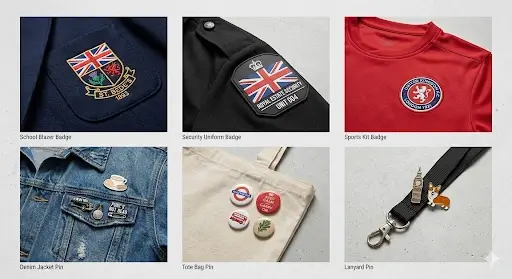
A badge is a structured item made to show identity, role, or belonging. In the UK, badges are closely tied to uniforms, organisations, and official use. Schools, security teams, sports clubs, and companies rely on badges to present a clear and consistent image.
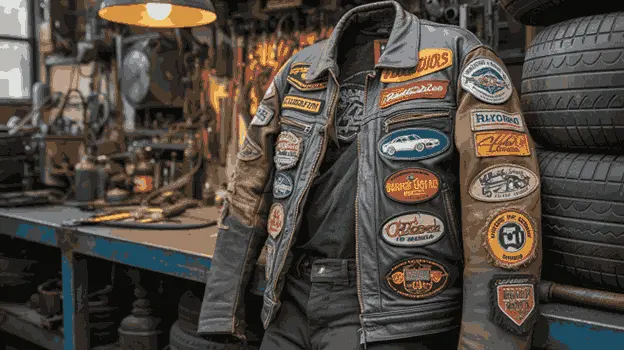
Badges stay fixed on clothing and handle daily wear. They are built for durability, readability, and long-term use rather than decoration. Clear stitching, strong backing, and stable materials help badges keep their shape and colour even with regular use.
From a production point of view, badges are designed with purpose in mind. Size, edge finish, backing type, and material all depend on where the badge will be used. Uniform badges need strong stitching or Velcro for repeated wear. Outdoor badges need materials that resist rain, heat, and friction. This focus on function is what sets badges apart in the badge vs pin comparison.
Types of Badges
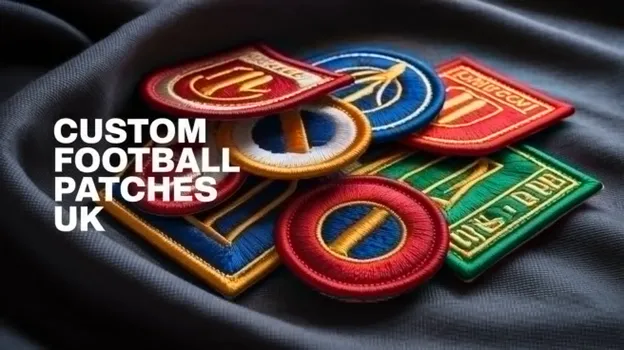
- Embroidered badges: Thread stitched into fabric with raised texture. These are widely used across UK school uniforms, military-style patches, and workwear due to their strength and classic look.
- Woven badges: Made with finer threads to capture small details. A smooth finish makes them suitable for logos with text or intricate designs where clarity matters.
- PVC badges: Flexible, rubber-like material that handles tough conditions. These badges resist water, dirt, and fading, which makes them suitable for outdoor gear, tactical use, and sports kits.
- Metal badges: Solid and formal in appearance. Often used by institutions, clubs, and official bodies where a polished and professional look is required.
Each type serves a clear role based on use. Choosing the right material and finish ensures the badge performs well over time and maintains a strong visual identity.
What is a Pin?
A pin is smaller and more flexible in use. Pins lean towards style, branding, and collecting. They attach easily and change often, which makes them ideal for short-term use and changing trends. In the UK market, enamel pins and lapel pins are widely used in fashion, events, and promotional campaigns.
Pins focus on visual appeal rather than long-term wear. Clean finishes, bold colours, and compact size help them stand out without taking over the outfit. They work well on jackets, bags, hats, and lanyards where quick attachment and removal matter.
From a production point of view, pins are designed for detail and presentation. Fine lines, colour fills, and polished surfaces allow brands to display logos and artwork in a sharp and eye-catching way. This makes pins a strong choice in the badge vs pin comparison when the goal is visibility and style rather than identity.
Types of Pins
- Enamel pins: Made from metal with coloured enamel fills. Bright colours and a polished finish give a premium look. Common in UK fashion brands, artist merch, and corporate giveaways.
- Lapel pins: Small and refined. Worn on suits, blazers, and formal wear. Often used in business settings, events, and official gatherings where a subtle and professional touch is needed.
- Button pins: Lightweight with a printed surface. Cost effective and easy to produce in bulk. Widely used in campaigns, events, and promotions where reach and volume matter.
Each type serves a different purpose based on use. Choosing the right pin depends on how it will be worn, how often it will be used, and the level of detail required in the design.
Badge vs Pin: Key Differences Explained
| Feature | Badge | Pin |
| Size and Structure | Larger and more structured | Smaller and lighter |
| Materials Used | Fabric, PVC, or metal for strength | Metal base with enamel coating |
| Attachment Method | Sew-on, Velcro, or strong backing | Pin clasp or butterfly clutch |
| Purpose and Usage | Shows identity and role | Shows style, branding, or support |
| Durability and Cost | Built for long-term use, more durable | Lower cost, suited for short-term use |
Badge vs Pin in the UK: What People Usually Mean
In the UK, the word badge carries a broader and more practical meaning. School badges, company badges, and club badges all point towards identity, role, and belonging. These are items that stay in place and form part of a uniform or official setup.
The word pin, on the other hand, is used more in fashion and promotional spaces. It often refers to enamel pins or lapel pins that focus on design, branding, and personal style rather than function.
This difference in everyday language shapes buyer expectations. Many people search for badge vs pin or difference between badge and pin while looking for one specific type. Badge leans towards structured and long-term use, while pin leans towards decorative and flexible use. Understanding this distinction helps avoid the wrong choice and ensures the product fits the intended use.
FAQs
Are badges and pins the same?
Badges and pins may look alike, but they serve different purposes. Badges show identity or membership, while pins focus on style, branding, or personal expression.
What is a badge used for in the UK?
Badges are used in schools, workplaces, clubs, and organisations to show role, rank, or membership, keeping a professional and consistent appearance.
Are enamel pins considered badges?
No. Enamel pins are a type of pin, designed for style, collections, or promotions rather than official identity.
Which lasts longer, a badge or a pin?
Badges last longer due to stronger materials and secure attachment methods. Pins are lighter and better suited for short-term use.
Can badges be worn like pins?
Some metal badges have pin backs, but most fabric badges need stitching or Velcro to stay in place safely.
Order Custom Badges and Pins in the UK
Clear goals lead to better results. For uniforms and long-term use, embroidered or PVC badges are ideal. For branding, fashion, or events, enamel pins deliver maximum impact with style and flexibility.
At Eagle Patches UK, we specialise in high-quality custom badges and pins designed to meet every need. Whether it’s durable embroidered badges for schools, clubs, or workplaces, or eye-catching enamel pins for promotions and events, we bring precision, detail, and reliability to every order. Our values focus on quality, fast turnaround, and customer satisfaction, ensuring every piece looks professional and lasts.